
Why Depression Causes Appetite Changes

Depression is more than just feeling sad. It is a serious medical condition that affects your whole body. It can change your energy, your sleep, and even your thoughts. One major way depression shows up is by changing your relationship with food1. You might find that you never feel hungry. Perhaps you feel like you cannot stop eating. Appetite changes in appetite are very common when you live with depression. Understanding depression eating patterns and their impact on nutrition and mood is the first step toward feeling better.
How does depression cause a loss of appetite?
For some people, depression causes a significant loss of appetite. This is also called anorexia when it is linked to a medical condition like depression. It is different from the eating disorder anorexia nervosa2. You may look at your favorite food and have no interest in eating it. Sometimes, you may even feel a little sick or nauseous when you think about food.
Why does this happen? Depression eating habits are often influenced by chemicals in your brain. These chemicals, like serotonin and dopamine, help control your mood. They also play a big role in telling your body when you are hungry or full1. When these chemicals are out of balance due to depression, the signal for hunger can simply stop working.

Depression is also closely linked to a symptom called anhedonia3. Anhedonia means the inability to feel pleasure from things you once enjoyed. This includes enjoying the taste of food. Studies show a strong connection between depression and an altered sense of taste3. You may find that chocolate does not taste as sweet as it used to. Steak may taste bland. When food stops being pleasurable, your desire to eat naturally decreases, which can negatively impact your daily nutrition.
Not eating enough can make your depression worse. Your body needs nutrients for energy. If you skip too many meals, you can feel weak and tired. This low energy makes it much harder to deal with other symptoms of depression4.
Why does depression cause emotional overeating?
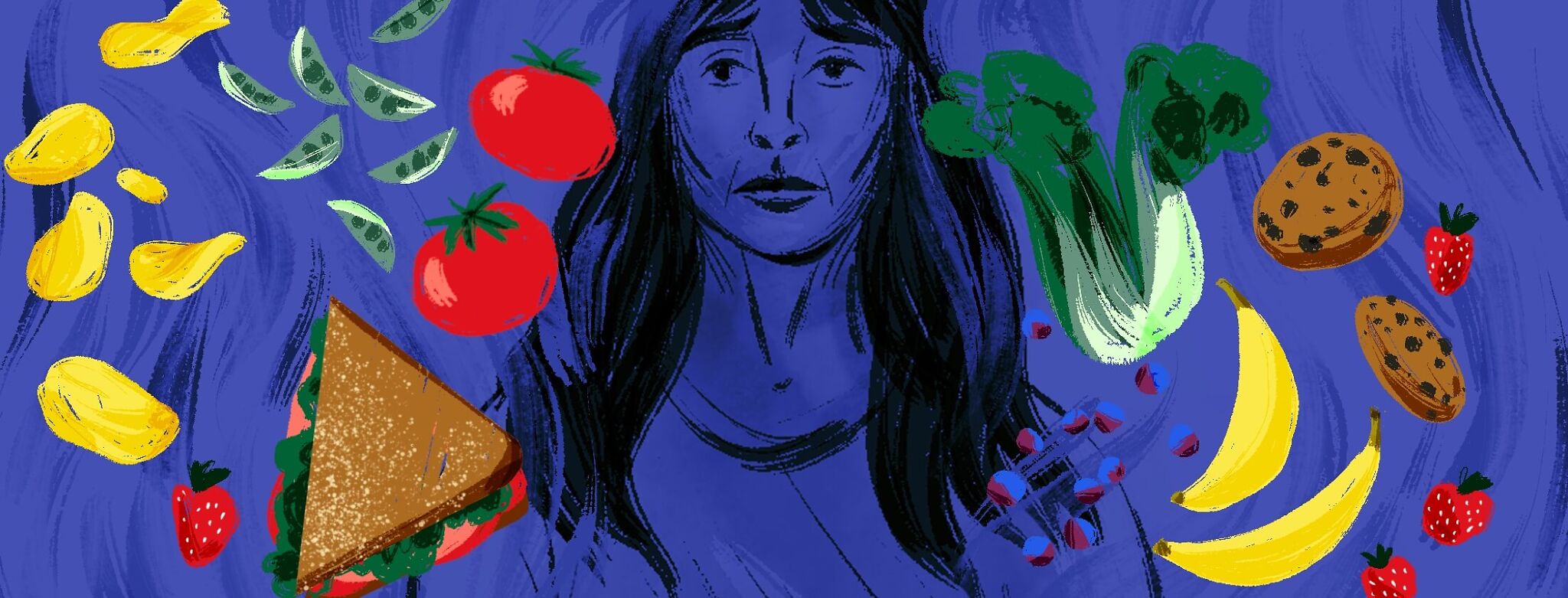
For other people, depression eating leads to consuming too much. This is often called emotional overeating. People eat even when they are not physically hungry. They may crave specific foods that are high in sugar, fat, or salt. These foods often give a temporary, small feeling of comfort or pleasure2.
This kind of eating is a way of coping with difficult feelings. When you feel sad, stressed, or empty, food can feel like a quick distraction or a hug for your brain. For a short time, it can make you forget the painful feelings2. However, this comfort does not last. Emotional overeating often leads to feelings of guilt or shame later on. This can then feed back into the depression, creating a cycle that affects both your nutrition and your mood.
How can I manage appetite changes?
No matter how depression affects your eating, there are simple steps you can take to manage it. Remember, these are small steps. You do not have to fix everything at once. It can also be helpful to speak with a doctor or therapist about these appetite changes. They can help you create a personalized plan and ensure these symptoms are addressed as part of your overall treatment for depression.
If you have lost your appetite or food tastes dull:
- Eat Small, Frequent Meals: Instead of three large meals, try five or six small snacks throughout the day. A handful of nuts or a piece of fruit is easier to manage than a full plate2.
- Focus on Texture and Smell: When taste is dull, try foods with different textures, like crunchy vegetables or creamy yogurt. Strong smells can also help cue your brain. Think about adding spices or herbs to your food.
- Set a Schedule: Eat at the same times every day, even if you are not hungry. Your body will eventually get used to the routine.
If you are overeating emotionally:
- Find Your Triggers: Pay attention to when and why you want to eat. Are you sad, bored, or stressed? Writing down your feelings can help you understand your depression eating patterns5.
- Do Something Else: When you feel a craving coming on, stop for a moment. Try a non-food activity for 15 minutes. Take a short walk, call a friend, or listen to music. Distraction can help the intense feeling pass.
- Keep "Comfort" Foods Out of Sight: If certain foods are a problem, do not keep large amounts of them in your home. It is easier to choose a healthy snack if that is what is readily available.
A Step Toward Feeling Better
Appetite changes, whether it is not wanting to eat or eating too much, are a real and difficult part of living with depression. It is important to know that these changes are often rooted in brain chemistry and the symptom of anhedonia, not a lack of willpower. Understanding the connection between your mood and your plate is powerful. By using small, practical coping tools, you can start to take control of your depression eating habits. This is a very important step toward better overall health and managing your depression 6